
Android 17 QPR1 Beta 2 Available for Google Pixel Devices


Subscribe for Updates
Google has released Android 17 QPR1 Beta 2 with critical bug fixes, including F2FS data corruption, Bluetooth tethering resets, lock screen overlaps, and more. Here’s a full breakdown of what’s new and how to get it.
The second beta of Android 17 Quarterly Platform Release pushed Android 17 QPR1 Beta 2 (build CP31.260423.012.A1) to enrolled Pixel devices via over-the-air update. The release marks the stability of Google’s QPR cycle ahead of its anticipated September Feature Drop — commonly delivered to users as part of a Pixel Drop event.
What’s new in Android 17 QPR1 Beta 2
QPR stands for Quarterly Platform Release, meaning this beta sits in the refinement phase after the main Android 17 feature drop. Beta 2 of QPR1 is focused squarely on stability, visual polish, and bug elimination rather than introducing flashy new features. Think of it as Google tightening the bolts before the stable public release.
Based on the official release notes from the Android Beta Program, Google has rolled out build CP31.260423.012.A1 to all eligible Pixel devices — and this one is packed with meaningful fixes that beta testers have been waiting for.
Android 17 QPR1 Beta 2 is a solid, substantive update that addresses both user-facing annoyances and under-the-hood risks. The F2FS data corruption fix alone makes this a high-priority install for anyone on the beta track. Combined with the Bluetooth tethering fix, gesture navigation restoration, and icon rendering corrections.
Top Bug Fixes in This Release
Critical System-Level Fixes
- F2FS File System Bug Resolved — Perhaps the most serious fix in this build. A bug in the F2FS (Flash-Friendly File System) could cause data corruption or unexpected system instability. This is the kind of issue that warrants installing the update promptly. (Issue #498762380)
- Terminal App Launch Failure Fixed — The Terminal app was throwing an unresolvable error pop-up and getting stuck in an infinite loading loop. Developers and power users relying on this tool will be relieved. (Issue #501751748)
- Bluetooth Tethering Toggle No Longer Resets — A long-standing annoyance where the Bluetooth tethering toggle would flip back to “off” after every reboot or Bluetooth cycle has been squashed. No more manually re-enabling internet sharing every single time. (Issue #371660785)
UI & Display Fixes
- Lock Screen Date/Weather Overlap Fixed — Date and weather info was bleeding into the fingerprint sensor area on the lock screen, creating a cluttered and unreadable layout. (Issue #498106709)
- Custom Themed Icons No Longer Appear Enlarged — When returning from an app, custom-themed icons on the homescreen were inexplicably rendering at an inflated size. This affected multiple reported issues and is now resolved. (Issues #453458883, #452939724, #473509945)
- Recent Apps Screen Visual Glitches Fixed — Moving apps around in the recent items/recents screen was causing visual instability and glitches. The experience should now feel smooth and consistent. (Issues #485468312, #496828676, #498193454)
Navigation & Connectivity Fixes
- Navigation Bar Swipe Gestures Restored — Swipe gestures for switching between recent apps in the navigation bar had stopped working correctly. This is a core Android interaction that needed to be rock solid. (Issue #494847234)
- Signal Bars Display Fixed — Mobile signal bars were showing as empty or greyed out even with active connectivity, leaving users unable to gauge their actual network strength. (Issue #488358813)
- Conference Call Disconnection Bug Resolved — A niche but impactful fix for users managing calls from a head unit: terminating a third active call was incorrectly disconnecting a conference call participant. (Issue #481492536)
Which Devices Are Eligible?
Google has confirmed QPR1 Beta 2 is available via OTA for the following Pixel devices:
- Pixel 6 series — 6, 6 Pro, 6a
- Pixel 7 series — 7, 7 Pro, 7a
- Pixel 8 series — 8, 8 Pro, 8a
- Pixel 9 series — 9, 9 Pro, 9a
- Pixel 10 series — 10, 10 Pro, 10 Pro XL, 10 Pro Fold, 10a
- Pixel Tablet series
How to Get Android 17 QPR1 Beta 2
If You’re Already on Android 17 Beta:
You’ll receive the QPR1 Beta 2 update automatically over the air — no action required, as long as you haven’t opted out.
If You’re New to the Beta Program:
- Enroll your eligible Pixel device at the Android Beta Program page
- After enrollment, your device will receive an OTA update to the latest beta build
⚠️ Important: Thinking About Leaving the Beta?
Google has outlined a key decision point for current beta users:
If you want to return to stable Android 17 without wiping your device, opt out before installing QPR1 Beta 2.
- Opting out before installing Beta 2 → Clean transition to stable, no data wipe
- Opting out after installing Beta 2 → Triggers a “Downgrade” OTA and all user data will be wiped
Choose wisely before hitting that update button.
Download links
The Android 17 Beta will be available soon. You can skip the manual installation, like the factory image, and receive the OTA on your device. The easiest way is to sign up your Pixel device into Android Beta Program. Sign in with your Google Account associated with your Pixel phone and follow the instructions.
Alternatively, you can get Android 16 on select Pixel devices by downloading the full Factory Images listed below and installing them via the new Android Flash Tool portal.
You will need to enable USB Debugging (ADB access) and OEM Unlocking before flashing the Android beta 1.
Important Links
- Enroll your Pixel device in Android Beta Program
- Android Flash Tool Files (Install)
- Factory Image Files (Downloads)
- Apply OTA images — can be installed without data reset and bootloader unlocking
- Installation Instructions (Install)
- Download Android 17 GSI (Generic System Image)
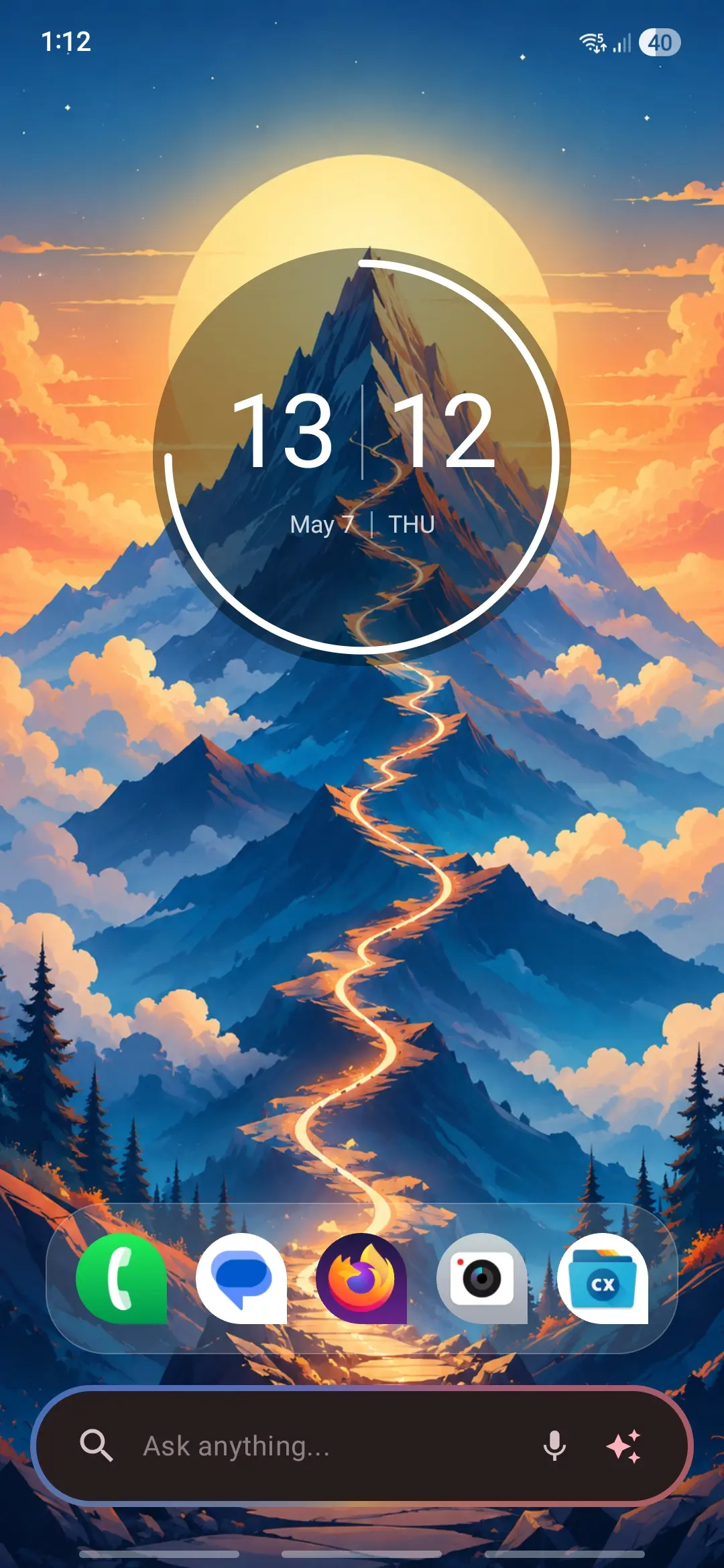
Meet Expressive Launcher — A Fresh Way to Android
The wait is over. Expressive Launcher has graduated from beta and is now stable and available to everyone on the Google Play Store. Download it today and experience a fresh way to customize your Android home screen.
Get started
