
Google AI Mode and Gemini 3: Is Organic Search Dead?

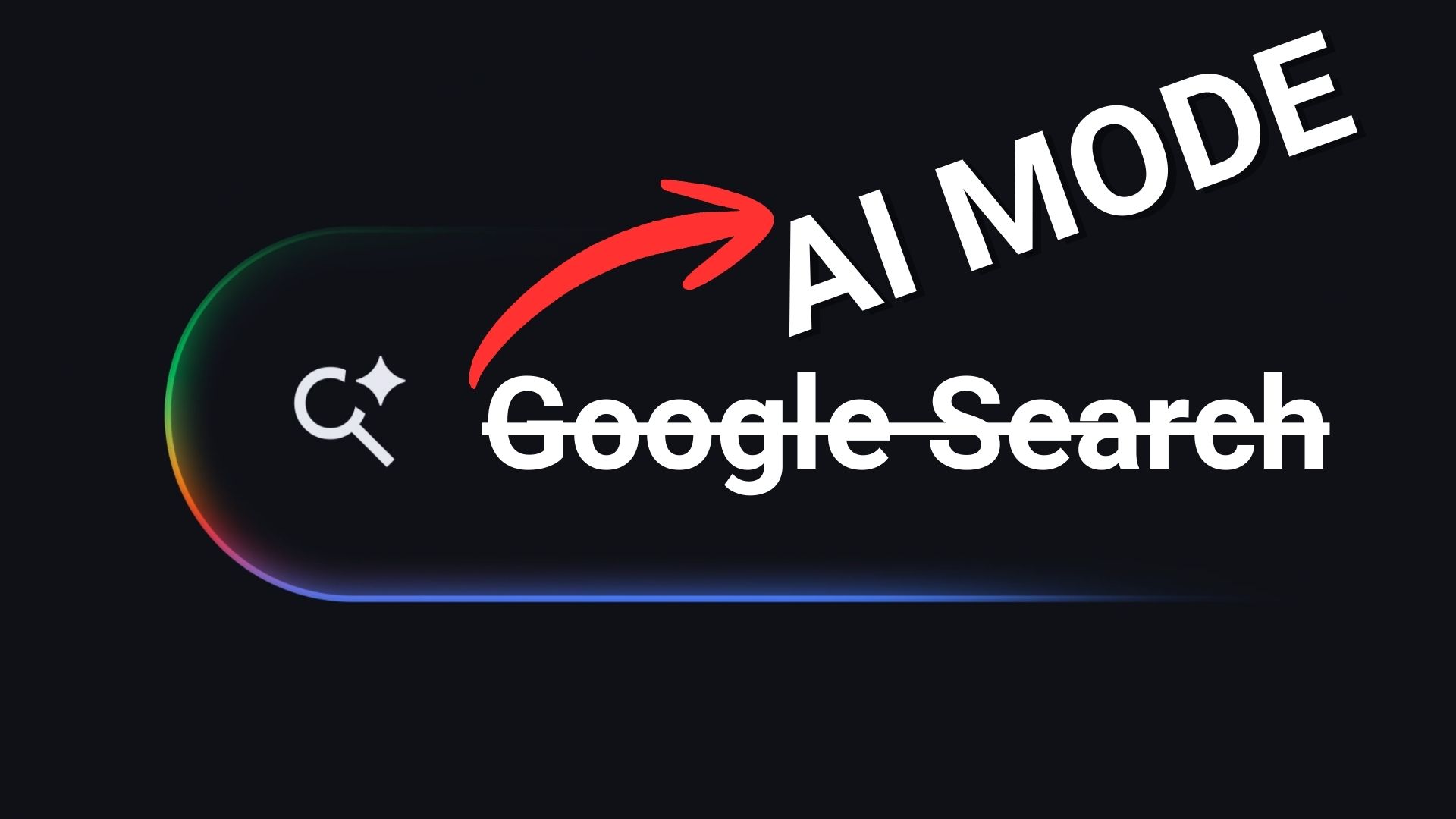
Google’s January 2026 Search update marks a pivotal—and controversial—shift in how we interact with the web. With the introduction of Gemini 3 and the new “AI Mode,” Google is moving away from the traditional list of blue links toward a conversational, zero-click ecosystem.
For users, this means a fundamentally different search experience. For publishers and content creators, it signals a potential crisis for organic traffic and the open web.
Google Search is going to be even more annoying for the end user as it gets more AI crap, and AI Mode will take over your entire Google Search soon. This means no direct website links will be shown once you click on the AI Overview button. This will take you directly to the AI Mode.
Today’s Google announcement is a massive overhaul to the Search experience, fundamentally changing how we interact with the web. The headline? Gemini 3 is now the default engine powering AI Overviews globally, and the barrier between a static search result and a dynamic conversation has been dissolved.
For decades, search engines were built on a transactional model: you input a query, the engine gives you a list of links, and you leave. This was simple until AI carp came and took over your simplicity.
Google says we aren’t just looking for the weather or sports scores anymore; we are looking for advice, complex planning, and deep-dive research. NO, not really.
According to Google’s latest update, the vision is to make exploring information “effortless.”
“People come to Search for an incredibly wide range of questions… for complex questions or tasks where you need to explore a topic deeply, you should be able to seamlessly tap into a powerful conversational AI experience.” – Robby Stein VP of Product, Google Search
The problem is we are blindly trusting AI. What we have known since the advent of AI is that it loves to hallucinate and make stuff up all the time.
The Publisher’s Nightmare: The Rise of Zero-Click Search
For decades, the search engine deal was transactional: users input a query, Google provided links, and users visited publishers’ sites. This update fundamentally alters that deal.
By prioritizing AI-generated synthesis over direct links, Google is creating a zero-click machine. The better Gemini 3 becomes at summarizing complex topics, the less incentive users have to click through to the original journalists, bloggers, and researchers who created the content.
Key Takeaway: This update isn’t just pushing organic results down; in many scenarios, it is actively removing them from view.
Why This Matters for SEO
Ecosystem Closure: The shift from a “signpost” (pointing to destinations) to a “destination” (answering everything in-house) threatens the viability of independent media.
Traffic Loss: Websites relying on Google for visibility face a drastic reduction in click-through rates (CTR).
Content Cannibalization: The AI model trains on publisher content to create answers, effectively extracting value without providing reciprocal traffic.
How the “AI Mode” Trap Works
Google’s VP of Product, Robby Stein, describes the update as a way to “seamlessly tap into a powerful conversational AI experience.” Let’s translate that into reality for users.
The new user flow is designed to keep users inside Google’s ecosystem rather than sending them to external websites.
Previously, AI Overviews (AIO) pushed organic results down. Now, the new interface actively removes them.
Here is the alarming user flow introduced today:
- The Hook: A user sees an AI Overview powered by the new, more capable Gemini 3.
- The Trap: If the user clicks “Show more” within the overview, they are literally taken out of Search. The traditional organic results—the links to your websites—disappear. You cannot scroll past the AIO to find the source.
- The Lock-In: If the user types a query into the “Ask anything” field or clicks a follow-up question, they are transported directly into AI Mode.
This is not a search engine anymore. It is a retention engine. By moving users from the results page (SERP) into a conversational interface, Google effectively severs the lifeline of traffic to the outside web.
Google is proudly touting that Gemini 3 is now the default model for these overviews globally. While tech enthusiasts might cheer for “frontier AI capabilities,” users should see this for what it is: a more efficient scraping engine.
Gemini 3 is designed to answer “complex questions” and allow users to “explore a topic deeply” without ever clicking a link. The better the AI gets at summarizing your hard work, the less reason a user has to visit your site.
This isn’t about helpfulness; it’s about theft-based plagiarism. The model trains on the content created by journalists, bloggers, and researchers, synthesizes it, and presents it as its own answer. It is a disinformation-riddled, zero-click machine that extracts value from the web while providing nothing in return.
The Risk of AI Hallucinations and Disinformation
While Google touts the “frontier capabilities” of Gemini 3, the reliance on generative AI introduces significant reliability issues.
- Confident Falsehoods: Generative AI is known for stating incorrect information with absolute confidence. By prioritizing these summaries, Google risks elevating “truthiness” over verified facts.
- The Feedback Loop: When Gemini 3 “hallucinates”—inventing dates, quotes, or events—it presents this misinformation as the final answer. Because source links are buried or removed in AI Mode, users cannot easily verify the claims.
- Brand Damage: Publishers risk having their brands cited as sources for claims they never made, as the AI blends real sources with generated fabrication.
Conclusion: A Dangerous Shift for the Open Web
We need to stop viewing this as just another algorithm update. With the January 2026 rollout of AI Mode, Google is pivoting from organizing the world’s information to synthesizing it.
By hiding sources behind “Show more” buttons and transitioning users into a conversational interface, the incentive structure of the web is being dismantled. While the technology is impressive, the cost—to accuracy, publisher revenue, and the open internet—may be too high.
