
YouTube’s New AI Transparency Feature Adds Visual Indicator for AI-Generated Content


Subscribe for Updates
YouTube has quietly rolled out a new visual transparency feature that’s catching the attention of mobile users. According to a recent Reddit discussion, viewers are now seeing a small circular icon labeled “AI” appearing in the bottom left corner of their phone screens when watching content. This badge serves as an immediate visual cue that the video contains AI-generated elements, whether that’s synthetic video footage, AI-created voice narration, or digitally altered content.
Reddit user Light-Yagami_Kira first reported spotting this indicator, describing it as “a small icon with a circle in which AI is written” that appears prominently during video playback to signal both AI-generated video content and AI-generated audio.
This visual indicator represents YouTube’s latest step in an ongoing effort to combat misinformation and increase transparency around artificial intelligence on the platform.
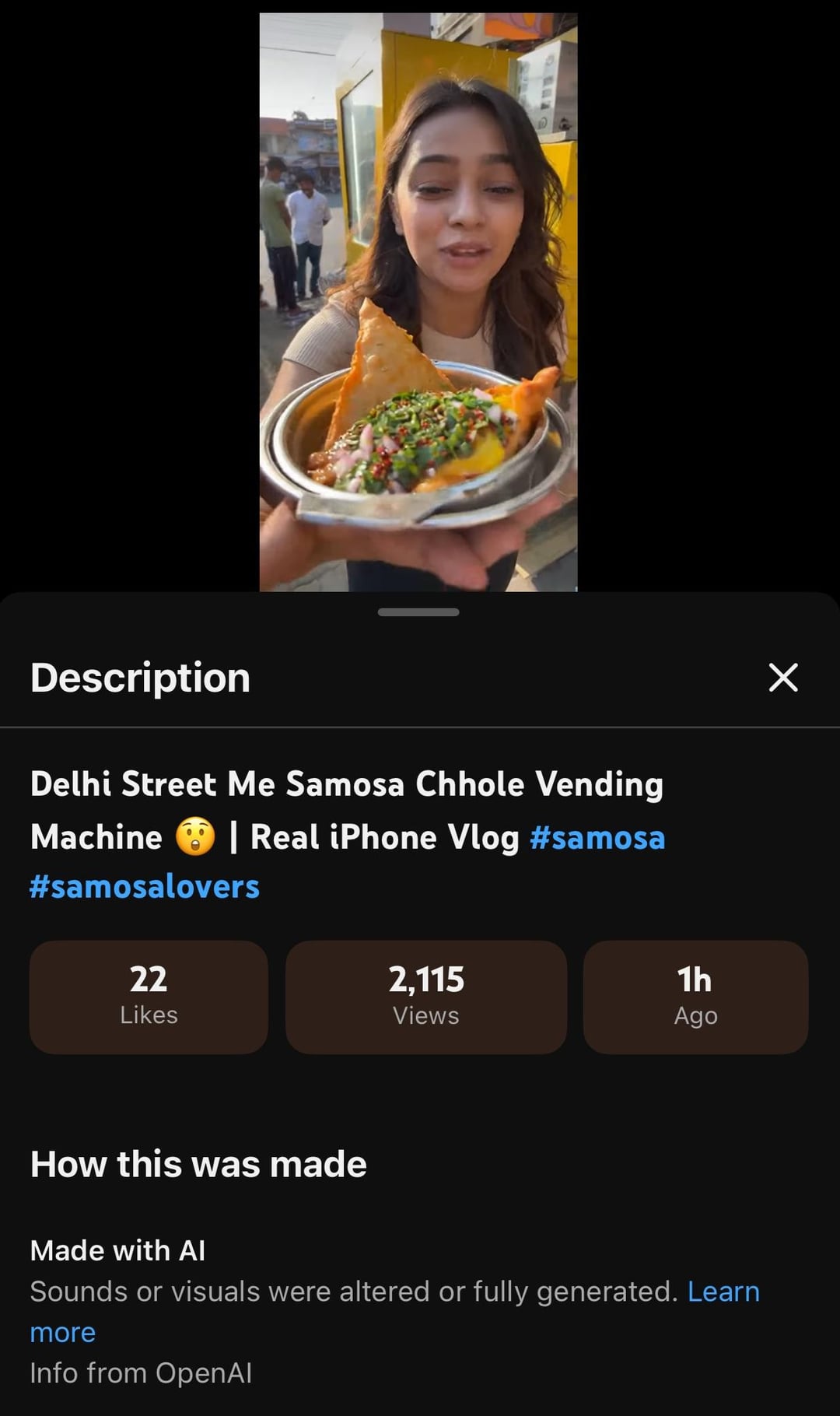
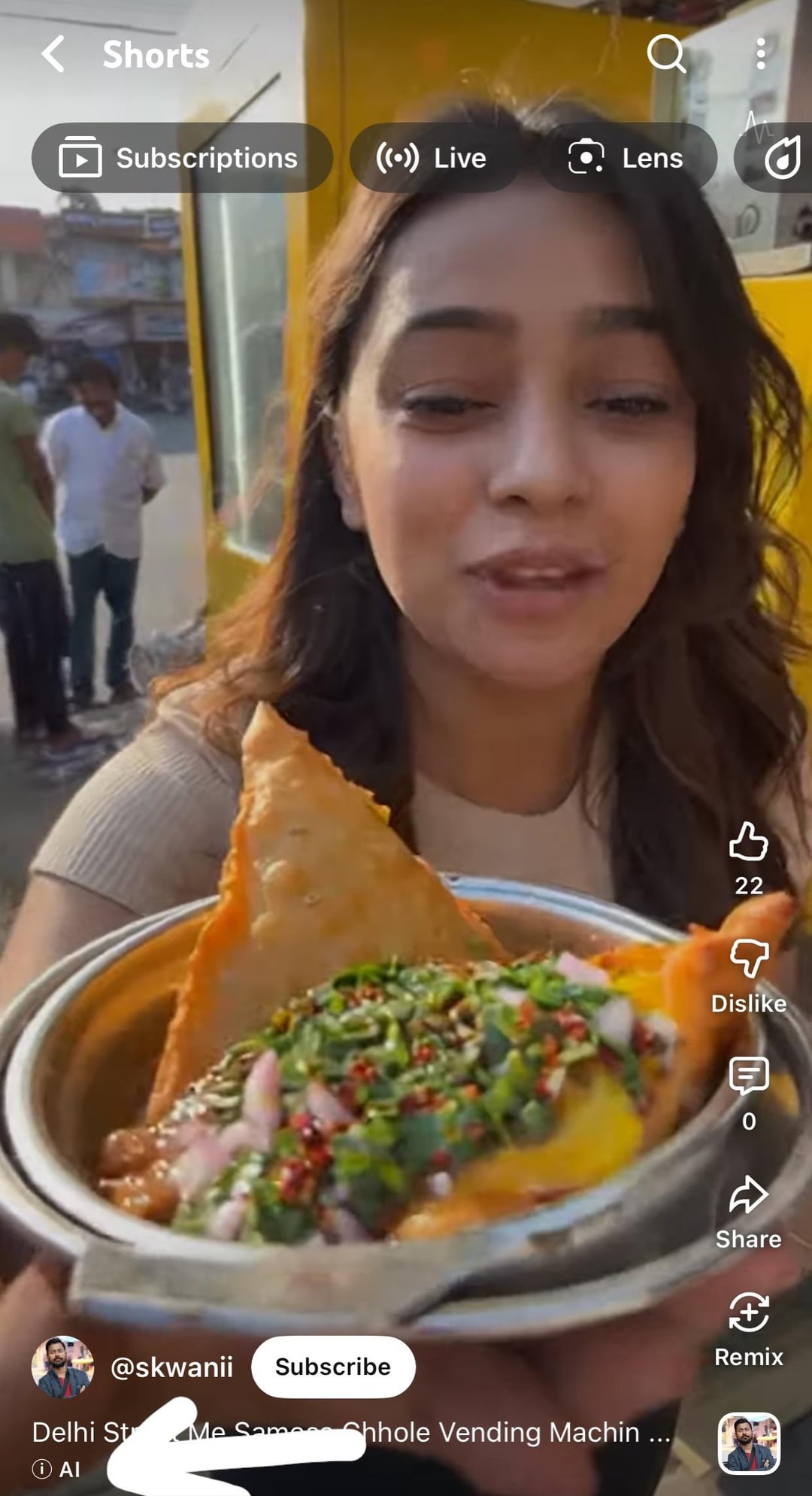
As you can see, a small AI icon will appear in the bottom left corner of the phone screen, indicating the video and/or voice is AI-generated.
Here’s a link to the video, which is marked as AI-generated. Note that the AI label is currently only visible on the mobile app. The desktop does not show it. Additionally, YouTube may have started with short-form content and is likely to expand to long-form content soon.
- Link to the video (Open in YouTube mobile app)
YouTube’s New AI Transparency Feature: Visual Indicator Now Alerts Viewers to AI-Generated Content
YouTube’s AI transparency initiative actually began rolling out in March 2024, when the platform started requiring creators to disclose AI-generated content during the upload process. When uploading videos through YouTube Creator Studio, creators must now answer specific questions about whether their content contains synthetic or altered elements.
The platform prompts creators to indicate if their video:
- Makes a real person appear to say or do something they didn’t actually say or do
- Alters footage of a real event or place to make it appear different from reality
- Generates realistic-looking scenes that never actually occurred
Here’s what Google has to say
Google has a dedicated page going over AI labelling. Here’s what it says:
‘Altered or synthetic content’: This indicates that a video contains content that has been meaningfully altered or synthetically generated. There are several ways that this information ends up in the ‘How this content was made’ section of the expanded description of a video.
You should expect to see this disclosure when:
- The creator manually discloses the use of ‘altered or synthetic’ content in the YouTube Studio workflow. When content is undisclosed, in some cases, YouTube may take action to reduce the risk of harm to viewers by proactively applying a label that creators will not have the option to remove. Learn more about our “altered or synthetic content” disclosures.
- The creator uses YouTube’s generative AI tools (e.g., DreamScreen).
- The content contains valid Content Credentials data indicating the entire video is made with AI. Learn more about Content Credentials (C2PA).
YouTube will carry forward disclosures from tools and creators available with secure Content Credentials (C2PA) 2.1 or higher that indicate the entire video was made with AI. This may include a label on the video player itself, or language in the detailed description.
What Gets Labeled and What Doesn’t
YouTube has drawn clear boundaries around what requires disclosure. Content creators must label realistic AI-generated content that could mislead viewers, but the platform recognizes that AI is used throughout the creative process in various legitimate ways.
Content that requires AI labeling:
- Deepfakes showing people saying or doing things they never did
- Synthetic voices impersonating real individuals
- Altered footage of real events or locations
- AI-generated realistic scenes presented as authentic
Content exempt from labeling requirements:
- Clearly unrealistic content like fantasy animations or someone riding a unicorn
- AI-assisted production tools such as script generation, content ideas, or automatic captions
- Visual enhancements like lighting adjustments, color grading, or special effects
- Decorative or abstract backgrounds that serve purely aesthetic purposes
This distinction acknowledges that generative AI has become a standard tool in video production workflows while focusing transparency efforts on content that could genuinely mislead viewers.
How the Labels Appear to Viewers
YouTube implements a tiered approach to displaying AI content labels, with visibility depending on the video’s subject matter and potential impact.
Standard Labeling
For most AI-generated content, YouTube places a note in the expanded video description stating: “Altered or synthetic content” with an explanation that “the sound or visuals were significantly edited or digitally generated.”
Prominent Labeling for Sensitive Topics
When AI-generated content addresses sensitive subjects—including health information, news coverage, election-related material, financial advice, or crisis events—YouTube displays the label much more prominently on the video player itself, ensuring viewers can’t miss the disclosure.
The New Mobile Visual Indicator
The circular AI icon that now appears in the bottom left corner of mobile screens represents this labeling system, providing an instant visual reference without requiring viewers to check video descriptions or metadata. This at-a-glance indicator makes transparency immediate and unavoidable.
The C2PA Standard: Authentication for Original Content
Beyond labeling AI-generated content, YouTube has joined the Coalition for Content Provenance and Authenticity (C2PA) as a steering committee member. This organization coordinates standards for authenticating digital content origins.
In October 2024, YouTube began rolling out C2PA verification labels that work in the opposite direction—confirming when content was captured using real cameras with real recording devices rather than AI generation. When available, these labels appear with the text “How this content was made: this content was captured using a camera or other recording device.”
However, this authentication system only works with specific cameras, software, and mobile apps that include C2PA version 2.1 or higher metadata capabilities, meaning widespread adoption will take time.
Meet Expressive Launcher — A Fresh Way to Android
We're looking for beta testers to help shape the next great Android launcher. Try it early, share your feedback, and be part of something new.
How to join the beta
